Has your doctor told you to follow a “low-sodium diet” but you’re left wondering what that means for you? You’re not alone.
This guide breaks down what sodium does, why it matters, and how to reduce it without sacrificing flavor.
A low sodium diet is especially important for individuals managing chronic kidney disease, high blood pressure, heart disease, or diabetes. A low‑sodium diet isn’t about bland food or strict rules. It’s about protecting your heart, supporting your kidneys, and helping your body maintain balance.
Why Sodium Matters for Heart, Kidney, and Metabolic Health
Blood Pressure Control
Too much sodium pulls water into the bloodstream, increasing blood volume and raising blood pressure. Over time, this can strain the heart and damage blood vessels.
Kidney Protection
Healthy kidneys regulate sodium. When kidney function is reduced, sodium builds up more easily, leading to swelling, high blood pressure, and fluid overload.
Diabetes & Fluid Balance
People with diabetes often experience changes in fluid regulation and blood pressure. Lowering sodium helps stabilize these systems and reduces cardiovascular risk.
Heart Failure & Fluid Retention
Excess sodium can worsen swelling, shortness of breath, and fluid buildup — making a low‑sodium diet essential for symptom management and to reduce risk of complications.
How Much Sodium Should You Aim For?
Most adults benefit from 1,500–2,300 mg of sodium per day, depending on their health conditions and provider recommendations. Ask your doctor what is right for you.
To put that in perspective, 1 teaspoon of salt = approximately 2,300 mg sodium.
Many restaurant meals can contain up to 1,500–3,000 mg in a single dish and processed foods contribute 70–80% of the sodium in the average diet.
This means the biggest impact comes from food choices, not just the saltshaker.
High‑Sodium Foods to Watch Out For
These foods often contain more sodium than people expect:
- Canned soups and broths
- Frozen meals
- Deli meats and sausages
- Restaurant meals (especially fast food)
- Pickles, olives, and sauces
- Bread, tortillas, and packaged baked goods.
- Cheese and processed dairy
- Snack foods like chips, crackers, and pretzels.
Even “healthy” foods can be surprisingly high in sodium if they are packaged or pre‑seasoned.
Easy Ways to Reduce Sodium Without Losing Flavor
Choose Fresh or Minimally Processed Foods
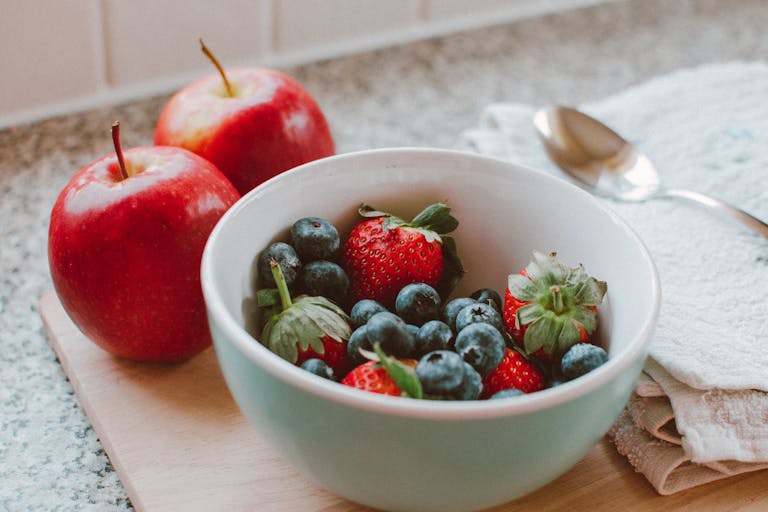
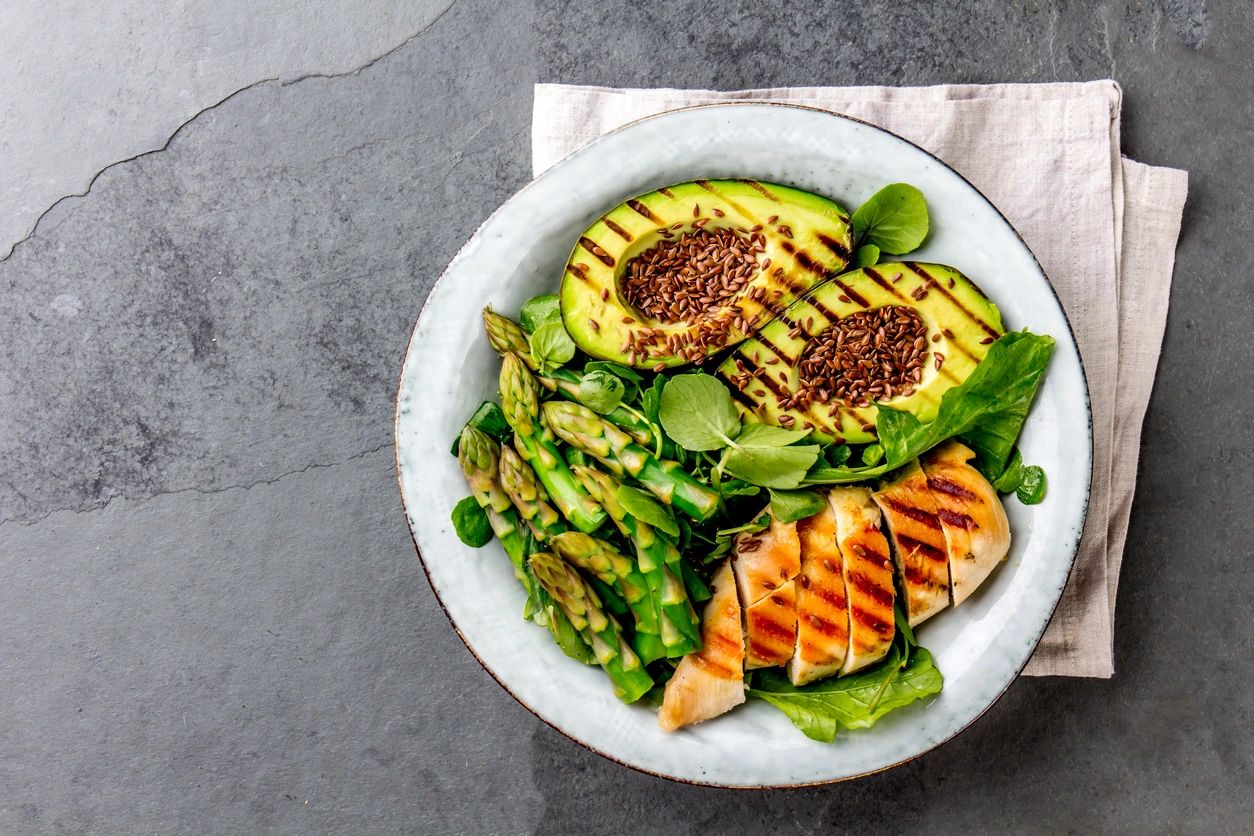
Fresh poultry, fish, tofu, vegetables, and whole grains naturally contain very little sodium.
Rinse Canned Foods
Rinsing canned beans or vegetables can reduce sodium by up to 40%.
Read Labels Carefully
Look for products labeled:
- Low sodium (140 mg or less per serving)
- No salt added
- Unsalted
Aim for foods with <200 mg per serving whenever possible.
Flavor With Herbs, Spices, and Acids
Try using:
- Garlic
- Lemon juice
- Vinegar
- Fresh herbs
- Pepper
- Smoked paprika
- Salt‑free seasoning blends
These add flavor and depth without the added sodium.
Cook More Meals Fresh at Home
Restaurant meals are the #1 source of excess sodium in the American diet. Cooking at home gives you control over ingredients and seasoning.
Sample Low‑Sodium Meal Ideas
- Breakfast: Oatmeal with berries, flaxseed, and almond milk
- Lunch: Mixed greens with grilled chicken, quinoa, cucumbers, and lemon‑olive oil dressing
- Dinner: Baked salmon, roasted vegetables, and brown rice
- Snacks: Unsalted pretzels, fresh fruit, yogurt, or raw veggies with hummus
These meals are naturally low in sodium and support heart, kidney, and metabolic health.
Final Thought
A low‑sodium diet is not about restriction — it’s about addition. Adding more fresh, minimally processed foods that are seasoned with herbs and spices will make a massive impact on your health. Small, consistent changes can improve blood pressure, reduce swelling, protect kidney function, and support long‑term heart health.
At Wright Nutrition Care, I help my clients create realistic, enjoyable, low‑sodium meals that fit their lifestyle, preferences and health goals.
Ready to Improve Your Heart and Kidney Health?
If you’re managing high blood pressure, diabetes, heart disease, or chronic kidney disease, personalized nutrition care can make a meaningful difference.
Get in touch to learn more about how a low‑sodium diet can fit into your lifestyle.